Tracing Secure Verification Flows: How Authentication Protocols Link Portable Reel Milestones to Interactive Card and Wheel Tables in Handheld Betting Networks
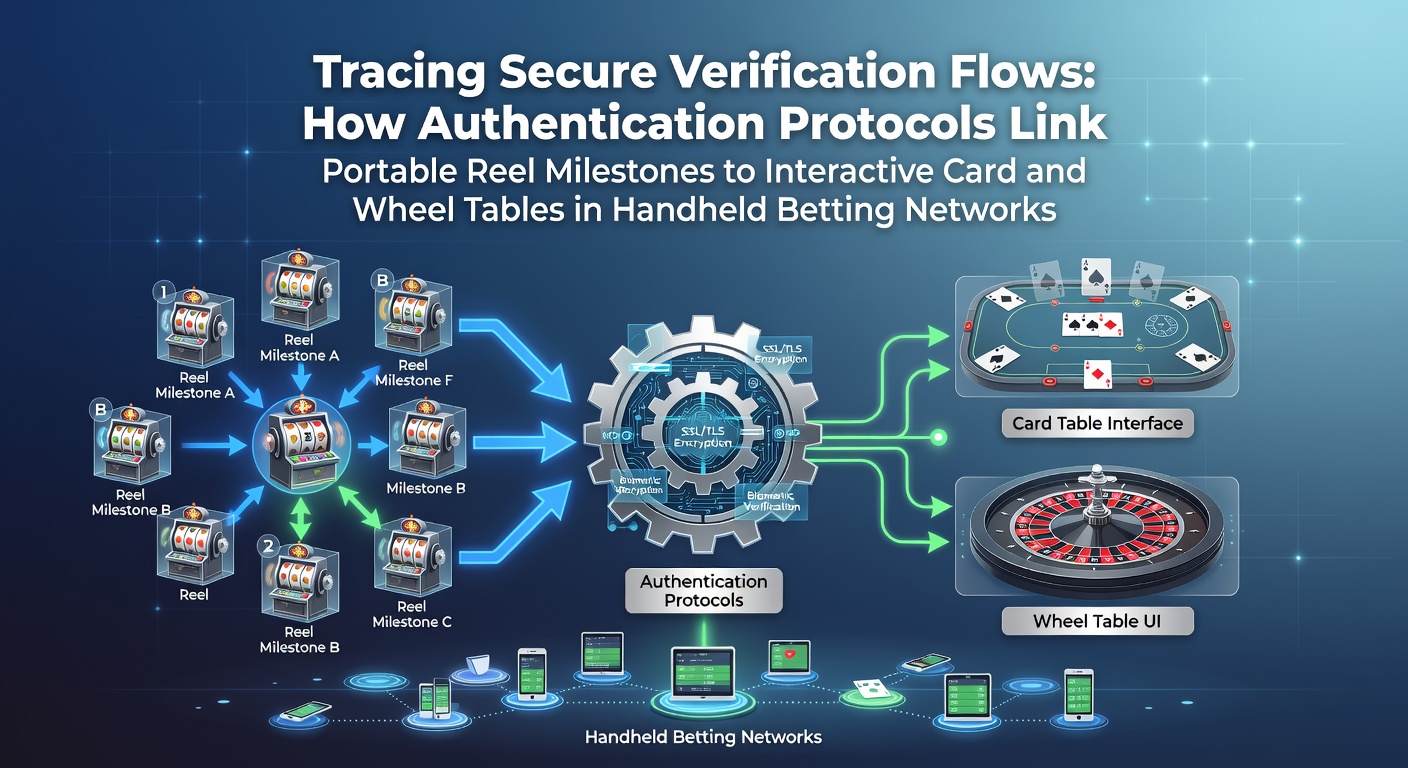
Authentication protocols form the backbone of handheld betting networks where portable reel milestones connect directly to interactive card and wheel tables through layered verification steps that confirm user identity at every transition point. These systems track progress from slot achievements such as accumulated spins or bonus triggers and route that data into live dealer environments while maintaining session integrity across devices. Observers note that protocols like OAuth 2.0 combined with biometric checks create seamless handoffs yet enforce strict checkpoints before access to table games opens.
Core Components of Verification in Mobile Networks
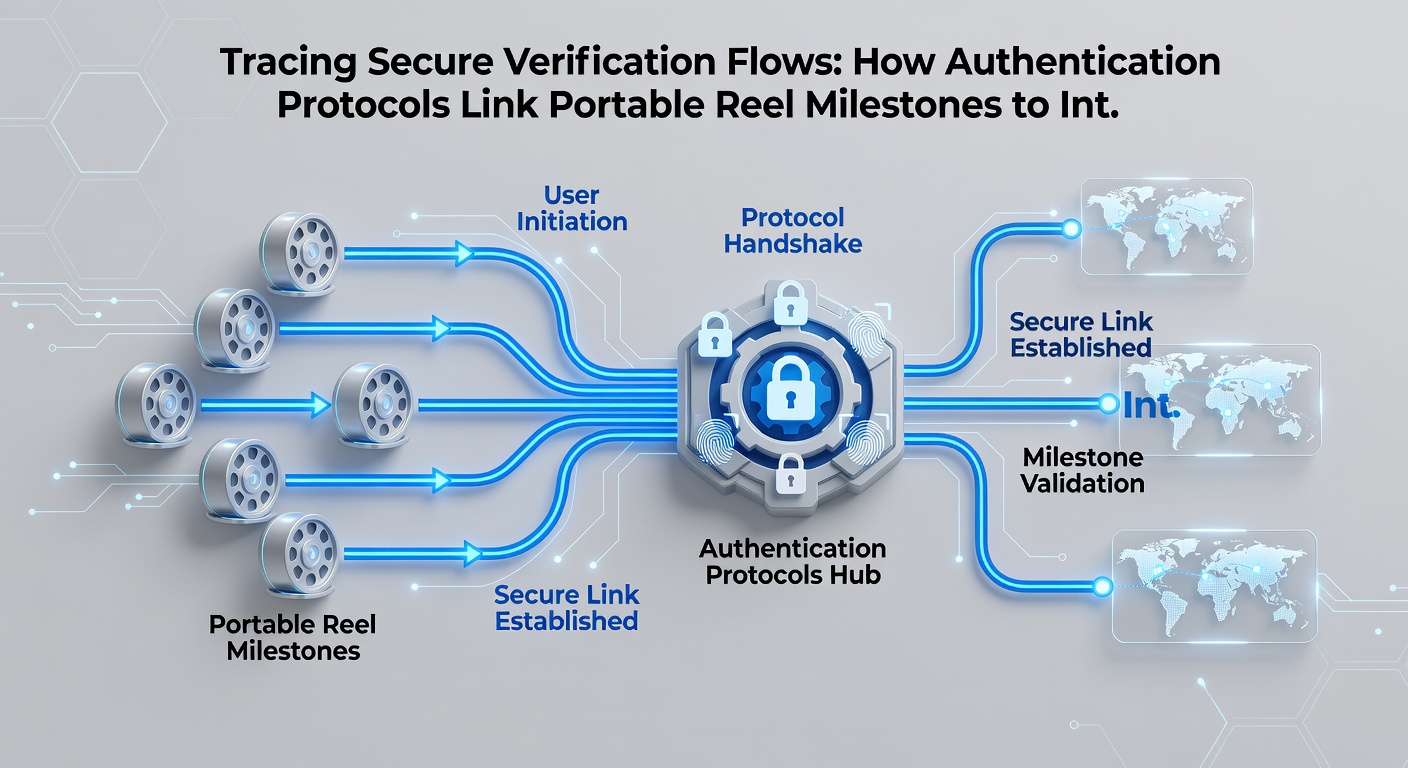
Handheld betting platforms rely on multi-factor authentication that begins with device fingerprinting and continues through token-based session management. When a player reaches a reel milestone such as completing a set number of spins or unlocking a progression tier the protocol generates a secure token that carries verified status to the live table interface. Researchers at institutions studying digital gaming systems have documented how these tokens expire after short intervals and require revalidation if network conditions change or if the user switches between applications.
Protocols also integrate geolocation data and real-time risk scoring to prevent unauthorized bridging between game types. Data from regulatory bodies shows that verification layers reduce account takeover incidents by validating both the milestone event and the subsequent table access request in a single encrypted exchange. This approach keeps portable reel progress linked to card and wheel tables without exposing underlying player records during the transfer.
Linking Reel Milestones to Table Game Access
Portable reel milestones serve as entry points that authentication flows map onto interactive tables through conditional permissions. Once a slot progression unlocks a reward tier the protocol validates the achievement against server-side records before issuing access credentials for blackjack roulette or poker variants. Experts tracking these flows explain that the linkage occurs via API endpoints protected by mutual TLS so that only authenticated sessions carrying valid milestone metadata reach the dealer stream.
Case studies from operational networks illustrate how a player completing fifty consecutive spins on a mobile reel game receives an instant eligibility flag that the system routes to wheel table queues. The verification sequence checks prior deposits game history and device trust level within milliseconds and then presents the live dealer option only after all checks clear. Observers have recorded similar patterns across multiple jurisdictions where protocols prevent milestone data from being replayed or altered mid-transfer.
Developments Anticipated by May 2026
Industry reports indicate that updated authentication standards scheduled for implementation in May 2026 will introduce quantum-resistant encryption for token exchanges in mobile betting environments. These changes aim to strengthen the connection between reel milestones and table privileges by adding post-quantum signatures that protect against emerging computational threats. Regulatory frameworks in several regions already reference these upcoming requirements as part of broader mobile security mandates.
Testing conducted by independent laboratories has shown that current protocols handle thousands of simultaneous milestone-to-table transitions daily yet future specifications will demand even tighter latency thresholds. Networks preparing for the May 2026 rollout have begun integrating hybrid cryptographic methods that maintain backward compatibility while preparing for the stricter verification demands ahead.
Regulatory and Technical Oversight
Authorities such as iGaming Ontario and the Nevada Gaming Control Board publish guidelines that require detailed logging of every authentication event linking portable games to live tables. These records allow auditors to trace how a reel milestone token flows into a card or wheel session and confirm that no intermediate step bypassed required checks. Academic studies from gaming technology programs further examine protocol efficiency and have identified patterns where biometric re-authentication occurs at random intervals during extended table play.
Trade associations including the Gaming Laboratories International maintain certification programs that test these linkage mechanisms under simulated network stress. Certification ensures that milestone progress remains secure even when users move between different handheld devices or experience brief connectivity drops that trigger automatic re-verification sequences.
Conclusion
Authentication protocols continue to evolve as the primary mechanism that binds portable reel milestones to interactive card and wheel tables within handheld betting networks. The verification flows rely on encrypted tokens biometric layers and regulatory logging to maintain integrity across game categories. As standards advance toward the May 2026 updates networks will adopt stronger cryptographic protections while preserving the direct linkage that lets verified slot progress open live dealer opportunities. These technical structures support the operational reality of modern mobile betting by ensuring each transition meets established security criteria.