Secure Gateways Bridge Mobile Slot Progressions to Live Baccarat and Blackjack Tables
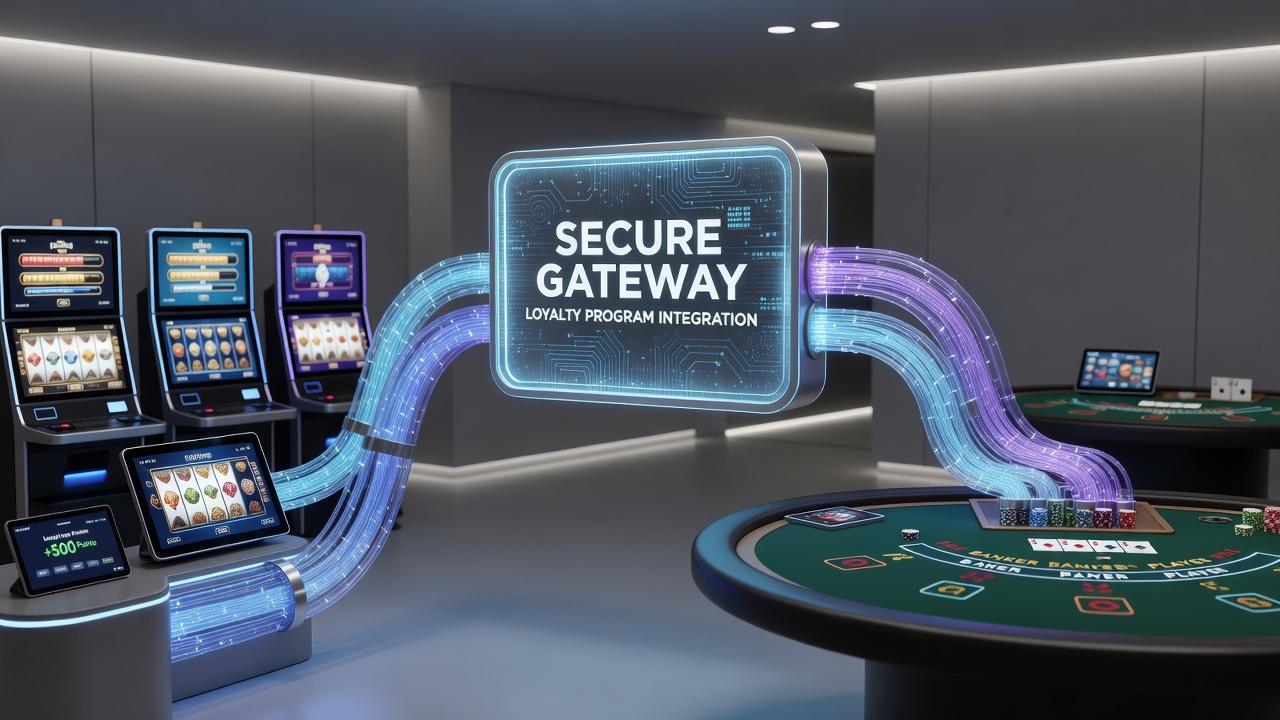 Secure gateways function as encrypted interfaces that transfer player data between mobile slot applications and live dealer environments for baccarat and blackjack. These systems verify progression milestones achieved on portable devices before granting access to interactive tables within loyalty frameworks. Operators deploy them to maintain continuous tracking across game types while complying with regional standards for data protection and transaction integrity. Loyalty programs record slot activity through metrics such as total wagers placed, bonus rounds completed, and session durations logged on smartphones or tablets. Gateways process this information using token-based authentication that prevents direct exposure of account credentials. Once thresholds are met, the same infrastructure routes eligibility signals to live dealer servers, enabling seamless transitions without separate registrations.
Technical Components of Gateway Integration
Encryption protocols form the foundation of these connections. AES-256 standards combined with TLS 1.3 channels protect data packets traveling between mobile slot servers and live table platforms. Multi-factor verification layers require device fingerprinting alongside biometric checks or PIN entry before progression data transfers occur. Researchers at institutions studying gaming technology note that such layered security reduces unauthorized access attempts by measurable margins across tested networks.
API endpoints serve as the operational bridges. They handle real-time queries that confirm whether a player has accumulated sufficient slot activity to unlock baccarat or blackjack seats. These endpoints also manage session handoffs, preserving loyalty point balances and tier status during the switch from reels to cards. Observers note that operators in North American markets have standardized certain API formats to facilitate cross-platform compatibility.
Role in Loyalty Program Structures
Progression systems award points or status levels based on slot performance, then apply those credits toward live table privileges. Gateways enforce the rules automatically by cross-referencing databases maintained separately for slots and dealer games. In June 2026 several major properties reported expanded use of these gateways following infrastructure upgrades that improved latency during peak hours. The updates allowed faster confirmation of eligibility for exclusive blackjack variants and baccarat side bets reserved for higher tiers.
Regional regulators oversee implementation details. The Nevada Gaming Control Board requires documented audit trails for every data exchange involving loyalty accounts, while the Casino Regulatory Authority in Singapore emphasizes independent testing of gateway software before deployment. These requirements ensure that progression records remain accurate when players move between game categories.
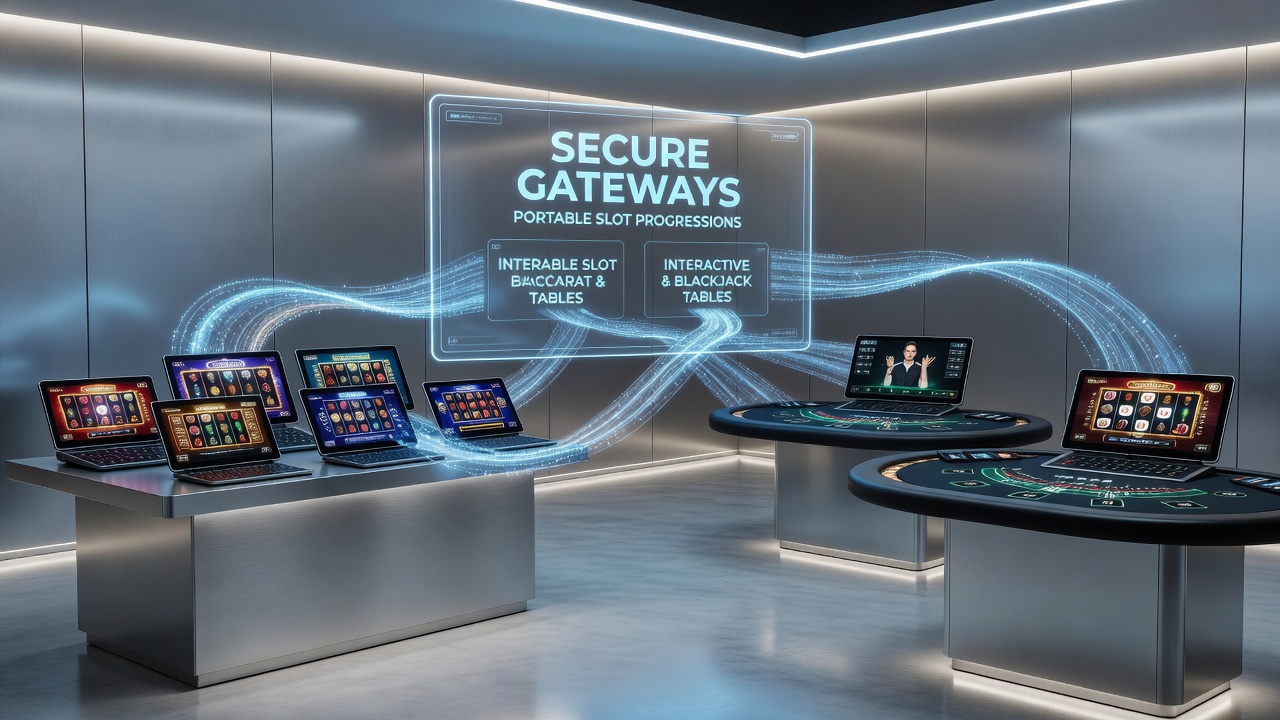
Operational Examples Across Jurisdictions
North American properties have documented cases where mobile slot streaks directly influence live table availability. One operator in Atlantic City configured its gateway to release early access to premium blackjack tables after players reached a defined number of consecutive winning spins on designated mobile titles. Similar mechanisms appear in Canadian provincial systems where loyalty frameworks link reel activity to baccarat rooms through verified data channels.
Australian venues apply comparable technology under oversight from state gaming authorities. Reports from the South Australian Independent Gambling Authority describe gateways that synchronize slot progressions with live dealer queues, ensuring that accumulated rewards translate into reserved seating without manual intervention. European operators registered with the Malta Gaming Authority have adopted parallel solutions that incorporate additional consent layers for cross-border data movement.
Security and Compliance Measures
Tokenization replaces sensitive identifiers during transfers, limiting exposure even if interception occurs. Regular penetration testing conducted by third-party firms evaluates gateway resilience against evolving threat models. Compliance documentation submitted to oversight bodies includes logs of every progression verification event, creating traceable records that support dispute resolution when needed.
Those who manage these systems emphasize redundancy through mirrored servers located in separate geographic zones. This setup maintains continuity if one pathway experiences disruption, allowing loyalty data to flow uninterrupted to live dealer interfaces for baccarat and blackjack.
Conclusion
Secure gateways continue to evolve as operators refine connections between mobile slot progressions and live table access. The infrastructure supports loyalty program goals by automating eligibility checks while meeting regulatory expectations across multiple jurisdictions. Data exchange standards established in recent years provide a foundation for further integration of additional game categories in the coming periods.