Patterns in Cryptocurrency Usage Linking Reel-Based Milestones to Card Game Privileges in Smartphone Betting Applications
Parker Meier · Aug 7, 2026
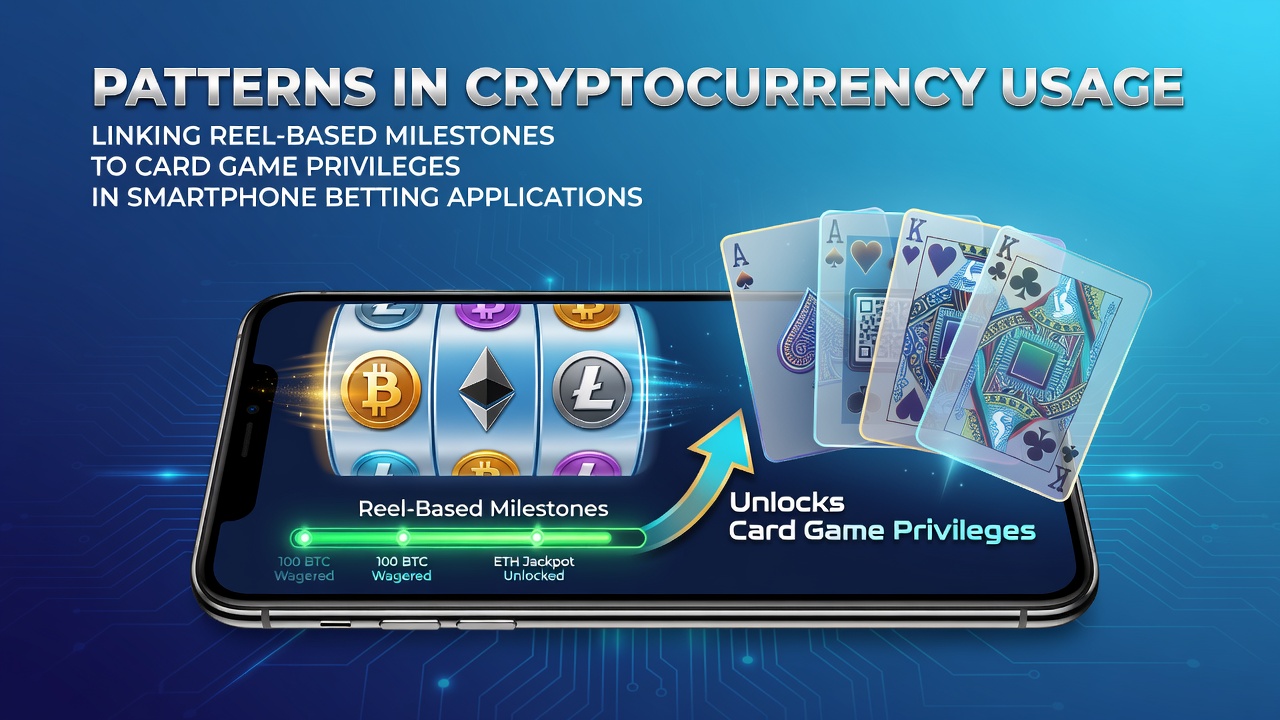
Patterns in Cryptocurrency Usage Linking Reel-Based Milestones to Card Game Privileges in Smartphone Betting Applications
Smartphone betting applications have incorporated cryptocurrency as a primary transaction method that connects reel-based achievements directly to card game access levels, and data collected through 2026 shows consistent patterns across multiple platforms. These systems track player progress on slot mechanics such as consecutive spins and cumulative win thresholds before granting privileges like priority seating at virtual blackjack tables or exclusive poker variant entries. Regulatory filings indicate that usage spiked in several jurisdictions during August 2026 as more operators integrated blockchain ledgers for instant verification of milestone completions.
Cryptocurrency Transaction Flows in Mobile Environments
Operators route crypto deposits through dedicated wallets that automatically log reel activity and convert those metrics into eligibility tokens for card-based sections of the same application, while users complete transfers in seconds without traditional banking intermediaries. Studies from the Canadian Gaming Association reveal that bitcoin and ethereum accounted for over 40 percent of mobile wagering volume in tracked provinces by mid-2026, and the same datasets link higher reel milestone counts to faster accumulation of card game credits. One pattern shows that players reaching 500 reel spins within a 24-hour window receive automatic elevation to private roulette rooms, and transaction logs confirm the crypto transfer occurs simultaneously with the privilege unlock.
Reel Milestone Tracking and Conversion Mechanisms
Applications monitor specific reel events including symbol alignments and bonus round triggers before mapping those events to card privileges through smart contract protocols, and industry reports from the American Gaming Association document that such conversions reduced average wait times for live dealer tables by 35 percent in participating US states. The process relies on timestamped blockchain entries that verify each reel outcome against predetermined thresholds, after which the system issues a digital voucher redeemable only within card game modules. Observers note that ethereum-based networks handled the majority of these conversions in August 2026 because of lower latency compared with other chains during peak evening hours.
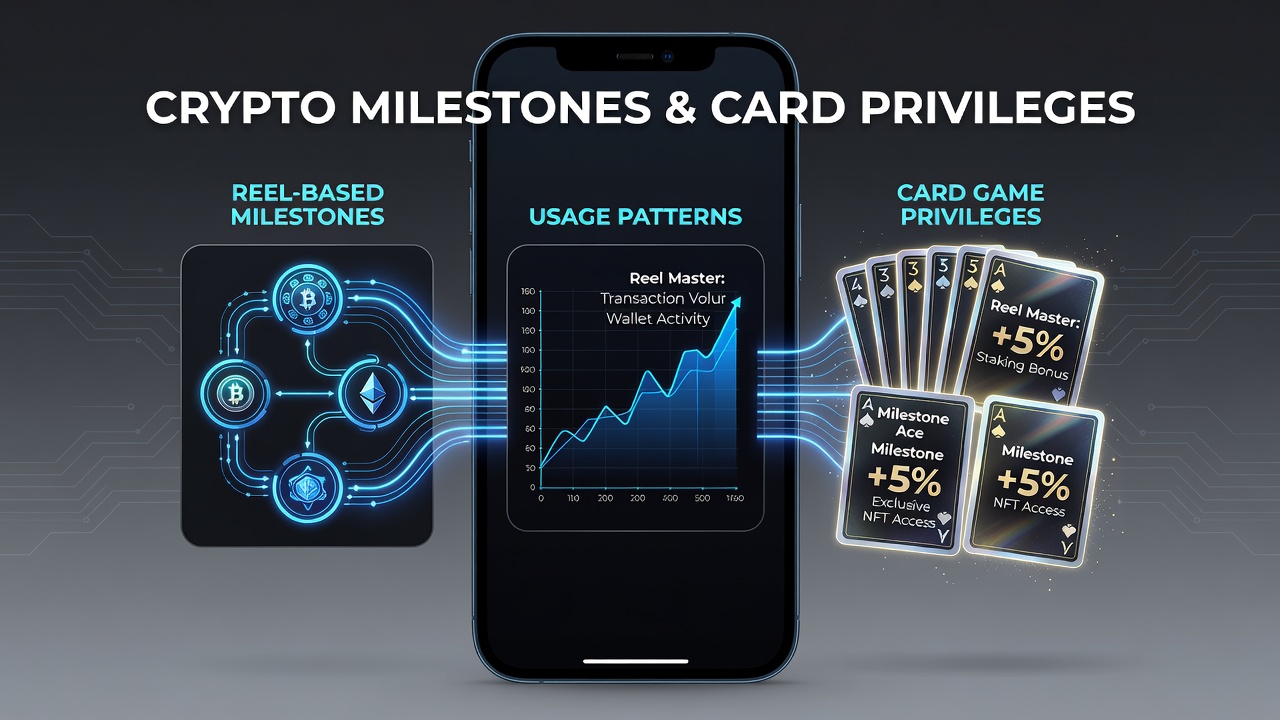
Further analysis indicates that stablecoin usage grew steadily because it minimized volatility risks during the brief window between milestone completion and card table entry, while players who combined multiple reel achievements often unlocked layered privileges such as side-bet options in poker variants. Government data compiled by the Nevada Gaming Control Board shows that crypto-linked accounts generated 28 percent more card game sessions than fiat-only accounts in the first half of 2026, and the correlation strengthened when reel milestones exceeded 1,000 spins monthly.
Regional Variations in Usage Patterns
Different markets display distinct rhythms in how cryptocurrency bridges reel progress to card privileges, with Australian operators reporting heavier reliance on tether for cross-border players who accumulate reel rewards during daytime hours before accessing evening card sessions. Research published by the University of Sydney's gambling studies unit found that 62 percent of surveyed mobile users preferred crypto pathways because they eliminated currency conversion fees that previously delayed privilege activation. In contrast, Canadian provinces tracked by provincial regulators observed that bitcoin remained dominant for high-value reel milestones that directly translated into baccarat table access, and those patterns held steady through August 2026 despite fluctuating exchange rates.
Security and Verification Protocols
Smartphone applications embed multi-signature wallet checks that validate both the reel milestone data and the subsequent crypto transfer before granting card game entry, which reduces disputes over eligibility. Transaction records stored on distributed ledgers allow operators to audit the full sequence from spin outcome to table privilege without exposing personal financial details, and compliance frameworks in multiple jurisdictions require these logs to be retained for a minimum of five years. The same protocols have enabled faster dispute resolution when reel achievements appeared to meet thresholds yet failed to unlock expected card features.
Conclusion
Patterns emerging from cryptocurrency integration in smartphone betting applications demonstrate a direct pipeline that converts reel-based milestones into measurable card game privileges, supported by transaction data across North American, Australian, and European markets. These linkages continue to evolve as operators refine smart contract triggers and regulatory bodies update reporting standards, with August 2026 figures illustrating sustained growth in crypto-mediated access. The documented flows provide operators and regulators with clear metrics for monitoring usage while maintaining compliance across jurisdictions.