Maverick Gaming Scales Back Further with Two Washington Casino Closures

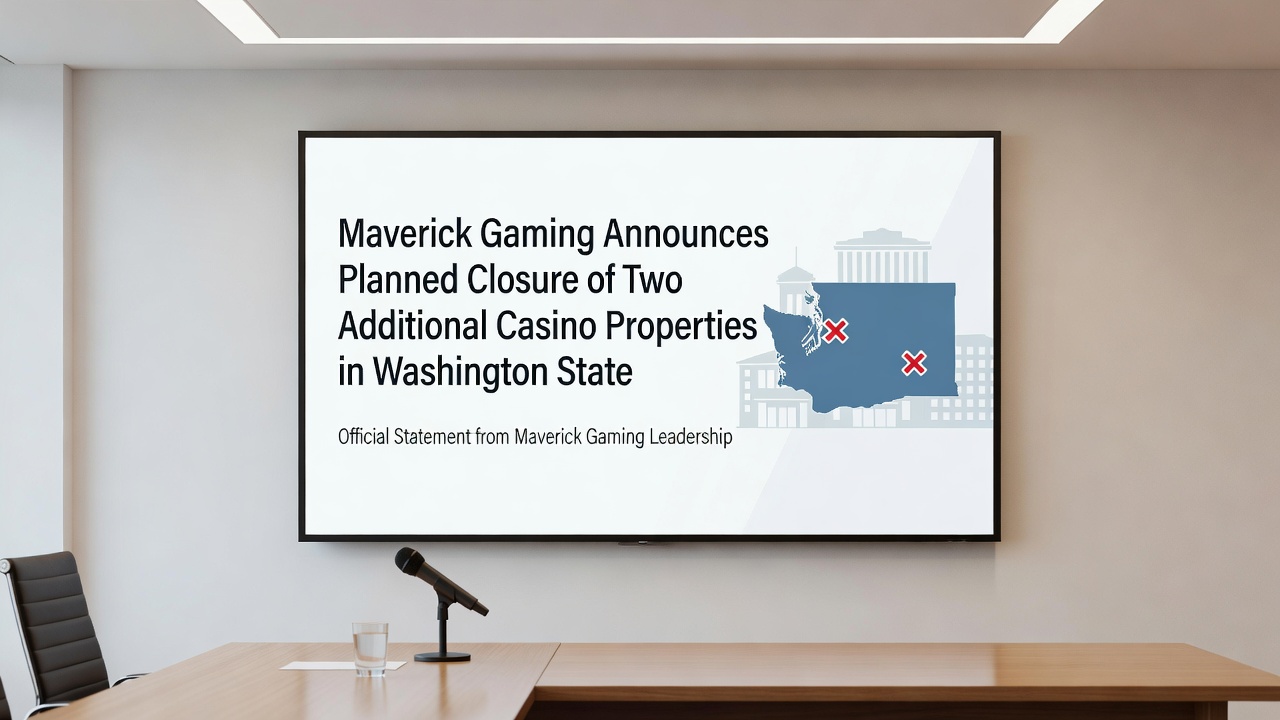
Maverick Gaming has announced plans to close two additional casino properties in Washington state, and this step forms part of ongoing operational adjustments that follow a series of earlier closures plus job impacts across the region. Observers note the decision aligns with wider patterns of industry consolidation as operators respond to evolving market conditions in the casino sector.
Details Behind the Latest Closures
The company outlined these closures without specifying exact property names in initial statements, yet the moves build directly on prior announcements that already reduced Maverick Gaming's presence in Washington. Employees at affected locations face transition periods, and management has indicated support measures including severance packages along with job placement assistance where possible. Data from state records shows these facilities contributed to local economies through employment and tax revenues before the adjustments took hold.
Company representatives emphasized that the decisions stem from careful evaluations of performance metrics, and they come amid fluctuating visitor patterns plus rising operational costs that have pressured multiple operators statewide. Those who've tracked gaming trends point out such adjustments often occur when revenue streams fail to offset expenses in competitive markets.
Building on Earlier Announcements
This latest development follows previous rounds of closures and staffing reductions that Maverick Gaming initiated earlier in the year, and the cumulative effect has reshaped its Washington footprint significantly. State regulatory filings reveal job losses numbering in the hundreds across the sequence of changes, while remaining properties continue operations under revised business models. What's interesting here is how these steps mirror similar actions by other regional players seeking to streamline portfolios amid shifting consumer preferences.
Broader Industry Context
Industry reports highlight consolidation as a recurring theme in the casino sector, where operators consolidate assets to focus resources on higher-performing locations, and evidence from multiple states suggests this approach helps sustain viability during periods of economic uncertainty. According to figures from the Washington State Gambling Commission, gaming revenues statewide have shown mixed results in recent quarters, prompting several firms to reassess their holdings. Meanwhile, research from the American Gaming Association indicates national trends toward fewer but larger integrated facilities as companies adapt to digital competition and changing demographics.
Take one analyst who reviewed comparable cases in neighboring states, for instance, and patterns emerge where closures free up capital for investments elsewhere, such as technology upgrades or expansions at flagship sites. The ball remains in the court of local communities now, as they navigate the economic ripple effects including reduced tax contributions that previously funded public services. Yet operators like Maverick Gaming maintain that these moves position them for long-term stability rather than short-term contraction alone.
Impacts on Employees and Communities
Workers at the slated properties have begun receiving notifications, and support programs include access to retraining resources coordinated with state workforce agencies. Communities surrounding the sites have expressed concerns over lost revenue streams, while business leaders in adjacent sectors prepare for potential declines in foot traffic from casino visitors. Studies conducted by university researchers on similar closures elsewhere reveal that proactive community partnerships can mitigate some downturns through diversified economic development initiatives.
Regulatory oversight continues through the Washington State Gambling Commission, which monitors compliance during wind-down processes, and this ensures all legal obligations regarding licenses and financial settlements receive proper attention. Data indicates such transitions typically span several months, allowing time for orderly asset reallocations.
Looking Ahead in Mid-2026
As June 2026 approaches, Maverick Gaming's adjustments coincide with seasonal fluctuations in tourism that often influence gaming volumes, and this timing allows the company to align closures with natural lulls in activity. Observers note preparations underway for potential repurposing of the sites, though no specific redevelopment plans have surfaced publicly yet. Those who've followed the sector know consolidation phases like this can precede periods of renewed investment once market conditions stabilize.
Conclusion
Maverick Gaming's announcement of two further Washington closures underscores ongoing adaptations within the casino industry, and the sequence of changes reflects strategic responses to performance data plus competitive pressures. State records and industry analyses continue to track these developments closely, providing insights into how operators navigate evolving landscapes while maintaining regulatory compliance across affected regions.