Decoding Regulatory Impacts on Cross-Game Reward Transfers in International Mobile Platforms
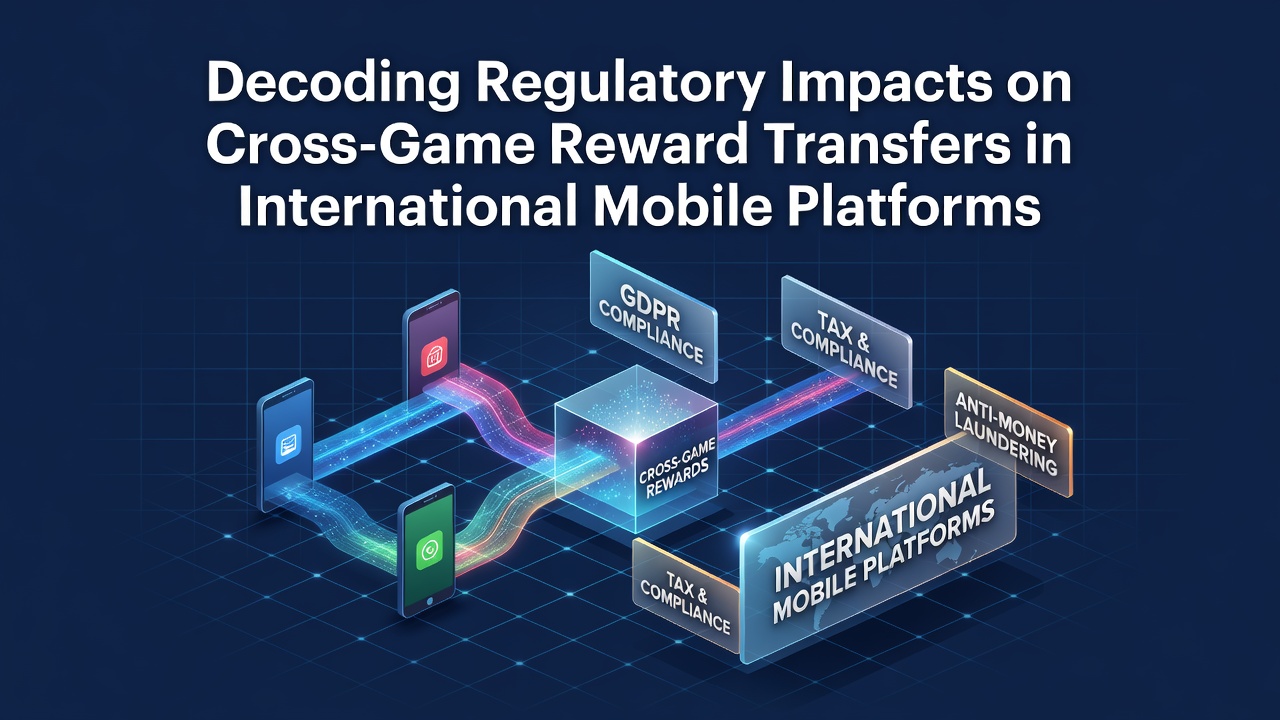 Regulatory bodies across continents continue to shape how reward systems operate when players move value between different game types on mobile platforms, and these rules create layered compliance requirements that operators must navigate. Data from multiple government agencies shows that cross-game transfers often fall under consumer protection statutes as well as financial tracking mandates, which means platforms handling international users face overlapping obligations that change depending on the player's location and the nature of the rewards involved.
Regional Regulatory Approaches
European authorities have tightened rules around digital asset movement in gaming environments through updates that took effect in early 2025, and these changes require detailed logging of any points or credits shifted from one title to another when users cross national borders. Observers note that the focus remains on preventing unauthorized value transfers that could bypass standard verification steps, while operators must integrate region-specific controls to stay aligned with directives on data handling and transaction transparency.
In North America, Canadian provincial regulators have introduced guidelines that address reward portability in mobile applications, and these measures emphasize clear disclosure when progress earned in one game influences access in a separate title. Figures released by oversight bodies indicate that platforms serving users across provinces must maintain separate ledgers for rewards originating from different game categories to support audit processes.
Compliance Mechanisms and Technical Requirements
Operators respond by building modular tracking systems that flag cross-game movements in real time, and these tools help satisfy reporting demands from multiple jurisdictions simultaneously. Research from industry associations highlights that successful implementations often combine automated alerts with manual review protocols, which reduces the risk of non-compliance during high-volume transfer periods.
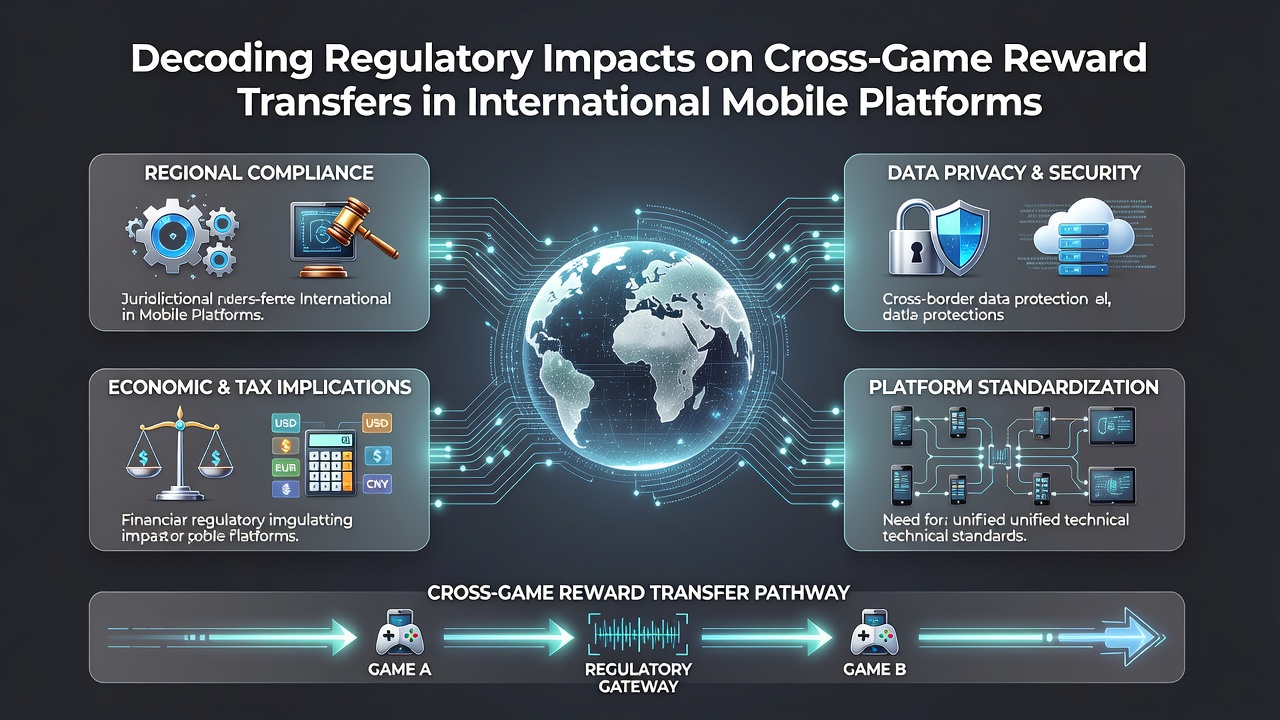
Australian federal agencies have also examined how reward transfers intersect with broader digital economy rules, and their reports from mid-2025 stress the need for verifiable consent mechanisms before any value moves between game environments. Those who've analyzed enforcement patterns observe that platforms with unified international user bases tend to adopt centralized compliance dashboards that adapt to local requirements without disrupting core functionality.
Impacts Observed in July 2026
By July 2026 several jurisdictions had synchronized their reporting calendars for cross-game reward activity, which simplified some data submission processes for multinational operators while introducing new verification layers for user identity checks. Evidence from regulatory filings shows increased emphasis on distinguishing between promotional credits and earned progress when transfers occur across game types, particularly when mobile sessions span multiple countries in a single day.
Industry groups have documented how these synchronized timelines affect platform development cycles, and companies now schedule major updates around quarterly regulatory alignment windows to avoid last-minute adjustments. What's notable is that platforms serving diverse markets have started publishing region-specific transfer policies directly in app interfaces, allowing users to review applicable rules before initiating any movement of rewards.
Challenges in International Coordination
Coordinating rules across borders remains complex because definitions of what counts as a transferable reward vary by region, and this variation forces platforms to maintain multiple classification schemes within the same backend systems. Academic studies on digital gaming economies point to ongoing work around standardized metadata tags that could ease cross-jurisdictional reporting, yet adoption rates differ depending on local infrastructure and enforcement priorities.
Those monitoring enforcement actions note that fines have been issued in cases where reward transfers lacked proper audit trails, and these outcomes have prompted wider adoption of blockchain-assisted logging solutions among larger operators. The ball remains in the operators' court to demonstrate that their systems can handle both routine transfers and exceptional cases flagged by regulators.
Conclusion
Regulatory impacts on cross-game reward transfers continue to evolve as international mobile platforms expand their reach, and compliance now requires continuous monitoring of policy shifts across key markets. Platforms that maintain flexible architectures while meeting region-specific documentation standards position themselves to handle future adjustments without major service interruptions, and available data suggests this approach supports steady operations amid changing oversight environments.